While You Wait: Small Changes That Keep Ruthin's Queues Human

Photo: community hall waiting chairs noticeboard UK volunteers, via homesight.org
A queue is never just a queue. At a help point in Ruthin, it is the first thing a visitor learns about the place. They learn whether anyone has noticed them, whether the room feels safe, whether the wait is moving, and whether it is worth staying. Long before anyone asks about housing, benefits, forms or food, the waiting area has already said something.
Most small groups cannot magic up extra staff on a busy morning. But they can make the wait feel shorter, and they can make it feel less like a test of endurance. That is not about fancy furniture or a refurbishment budget. It is about small signals: someone catching your eye, a chair that is clearly for you, an honest note about how long things are taking, and a hand-off that does not leave you wondering whether you have been forgotten.
The wait is part of the service
It is tempting to think the real work starts when a visitor sits down with a volunteer or adviser. In practice, the waiting time is doing work of its own. If it is chaotic, people leave. If it is private enough, people stay. If it is clear, people relax. If it is noisy and exposed, people decide they will come back another day, and often they do not.
That matters in a town like Ruthin, where word travels. A welcoming wait gets mentioned at the school gate and in the shop queue. A confusing one does too. Open doors are not only about the door itself. They are about the bit between the door and the desk.
What a waiting audit actually is
A waiting audit is not a survey, a complaint session or a formal inspection. It is a short, honest walk-through of what a visitor experiences before they are seen. It works best when it is done by two or three people, including at least one person who has never used the service before. Fresh eyes notice the things regulars have stopped seeing.
You do not need a consultant. You need an hour, a notebook and a willingness to be a bit uncomfortable about what you find.
The one-hour audit
Start outside the building. Note how easy it is to find the entrance and whether it is obvious that you are in the right place. Then walk in as a visitor would. Time how long it takes before someone acknowledges you. It does not have to be a full conversation. A nod, a hello, or a simple 'someone will be with you shortly' is enough to show that you have been seen.
Next, sit where a visitor sits. Is there a clear place to wait? Are the chairs visible, or stacked in a corner? Can you hear what is being said at the desk? If you can hear a private conversation, so can everyone else. Is there a quiet corner, a screen, or at least some distance between the waiting area and the desk?
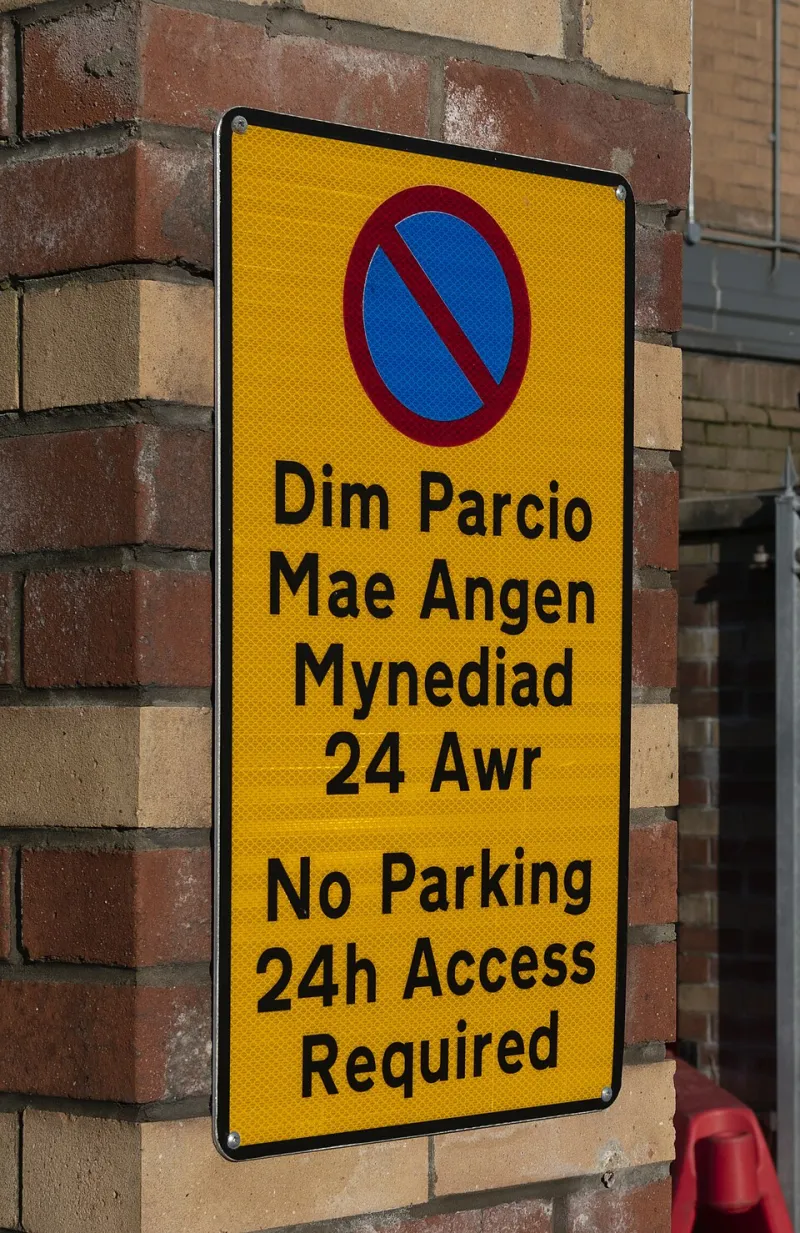
Look for information. Is there a sign explaining what happens next? Is there an estimated wait time, and is it still true? A stale notice is worse than no notice, because it quietly tells people that nobody is paying attention. Check whether the information is in plain English and whether a bilingual welcome is visible. In Ruthin, a short line in Welsh can make a difference to how people read the room.
Watch a hand-off. When someone is collected from the waiting area, how does it happen? Is their name called across the room? Are private details mentioned at the desk? Is the visitor walked through, or pointed at? A hand-off is a small moment, but it is where dignity is either protected or lost.
Finally, ask three simple questions of the people waiting, if it feels appropriate: did you know what was happening, did you feel comfortable waiting here, and would you have stayed if you had not been seen quickly? Keep it light. You are not collecting case histories.
Low-cost fixes that protect dignity
The first fix is a visible arrival point. That might be a person, a small sign, or a clear desk. A scrum by the door feels unwelcoming, especially for anyone who is anxious, older, disabled or new to the building. A simple greeting at the entrance can stop people from hovering uncertainly.
The second is seating that says stay. Chairs do not need to match. They need to be out, clean and clearly available. A couple of chairs near the door but out of earshot of the desk are often enough. If space is tight, consider a quiet corner with a screen or a curtain.
The third is an honest update. 'Won't be long' is not information. 'About fifteen minutes' is. If it changes, change the sign. A small whiteboard or a chalkboard by the waiting area can do more for trust than a dozen posters.
The fourth is permission to leave. Some people are waiting with a child, a bus timetable or a caring responsibility. Others find sitting still difficult. A simple 'you are welcome to pop out, just let me know' can keep someone from abandoning the visit altogether.
The fifth is a proper hand-off. Instead of calling a full name across the room, try walking over and saying, 'I'll take you through now.' If a name must be used, use a first name only and keep the rest private. It is a small change that costs nothing.
The quiet exit
People leave queues for reasons that have nothing to do with patience. A bus is due. A child needs collecting. The room is too loud. Someone has heard their own business discussed at the desk. If you notice someone leaving, a friendly word can help: 'Sorry to keep you waiting. Would you like to come back at a quieter time?' A simple card with opening hours can also help, as long as it does not become a pile of paperwork.
It is worth keeping a note of how often people leave before being seen. You do not need a database. A tick on a sheet is enough to show whether the waiting experience is pushing people away.
What not to do
Do not hand out long forms before anyone has spoken to a person. Do not discuss private matters at an open desk. Do not let a queue block the entrance. Do not leave old posters on the wall until they curl. And do not assume that because nobody has complained, the wait is fine.
A small town advantage
Ruthin is small enough that a better waiting area can be built from things already in the building: a spare chair, a clear sign, a jug of water, a volunteer who says hello. It is also small enough that people will notice. A calm, well-signposted wait tells visitors that the whole place is paying attention, not just the person at the desk.
Run the audit this month. Pick three fixes you can make straight away. Check again in a few weeks. The queue will still be a queue, but it will feel like part of the welcome rather than an obstacle before it.