The Skills Next Door: How Ruthin’s Small Groups Can Ask for Help and Keep Going
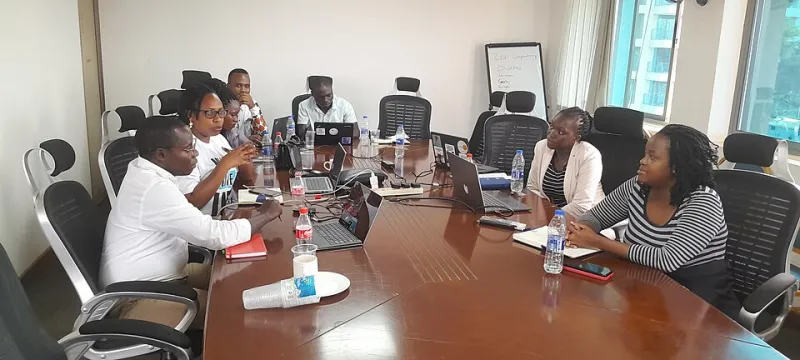
Photo: NANTUMBWEJ, CC0, via Wikimedia Commons
Every small community group in Ruthin knows the collection tin. It sits by the kettle, gets passed around at the end of a meeting, and does important work. But if the tin is the only way your group asks for help, you are probably leaving a lot of local goodwill on the table.
The argument here is simple: cash is useful, but it is not the only currency in a small town. Time, skills, space, storage, a van, a printer, a spare hour on a Saturday - these are forms of support too. And for small organisations in North Wales, asking for them well can be the difference between a group that survives on the same six people and one that actually builds a network.
The collection tin is not a strategy
There is nothing wrong with fundraising. Halls need heating, insurance needs paying, biscuits do not buy themselves. But constant cash appeals can wear people down. They can also make supporters feel like the only thing you value is what is in their wallet.
A more sustainable ask starts with a specific need. Not ‘please support us’, but ‘we need two people to help set up tables on Friday from 4pm to 5pm’. Not ‘we need funding’, but ‘we need a laptop that can run our booking spreadsheet’. The more concrete the request, the easier it is for someone to picture themselves saying yes.
Ask for the thing, not the feeling
Vague requests put the work back on the person you are asking. They have to guess what you need, whether they can do it, and how much time it will take. Specific requests do the opposite. They respect the other person’s time and make it clear that you have thought about the task.
This matters for volunteers especially. A retired accountant might be happy to look at your annual accounts for an hour. A parent with a van might be able to move chairs once a month. A local business might print posters at cost. None of those people necessarily want to join a committee. That is fine. You are not collecting members; you are building a web of small, useful connections.
A simple help request template
If you are not sure how to ask, start with this. Adapt it, shorten it, and keep it human.
We are [group name] in [area of Ruthin]. We are trying to [one sentence about the work]. We need [specific task, skill, item or space] by [date]. It would take about [time or commitment]. You would be working with [name and role]. If you can help, contact [name] by [phone or email]. If you cannot, no problem - passing this on to one person who might is just as useful.
That last line matters. It gives people an easy way to say no without feeling guilty, and it turns every ask into a possible introduction. In a small town, the person who cannot help might know the person who can.
Space, skills and stuff
Think beyond cash. Do you need a room for a monthly meeting? Ask a local hall, church or community space whether there is a quiet hour going spare. Do you need storage for tables and banners? Ask a business with a back room. Do you need help with social media, safeguarding paperwork or applying for a grant? Ask someone who already does that kind of work.
In-kind support is not a lesser form of help. It is often more useful than a small cash donation because it solves a specific problem. It also builds a relationship. The person who lends you a projector once might become the person who recommends your group to a neighbour.
Avoid burning out the same six people
The uncomfortable truth is that small groups often run on a handful of people who do everything. Asking for more help is not just about getting tasks done. It is about spreading the load before those people collapse.
Make requests small and time-bound. ‘Two hours on Saturday’ is easier to agree to than ‘help us run the group’. Rotate roles. Write down what each job involves so a new person is not left guessing. And give people permission to stop. A volunteer who leaves because they are exhausted is a bigger loss than a volunteer who never joins.
It also helps to keep a simple list of what you have asked for and who is doing it. Not a formal database, just a page in a notebook. That way you do not accidentally ask the same person for everything, and you can thank people properly. Recognition is not a gimmick. It is part of reciprocity.
Build a reciprocal network
The strongest support is not a one-way street. If someone gives you their time, ask what they might need. It could be a shout-out in your newsletter, a reference, a contact, or help with their own event. Small groups in Ruthin are not competing for the same tiny pot of goodwill. They are part of the same local ecosystem.
Open Doors Ruthin exists because local help works better when it is connected. That does not mean every group needs a formal partnership. It means being willing to share a room, pass on a contact, or send a message that says ‘I know someone who might be able to help’. The collection tin can stay by the kettle. But the ask should be wider, clearer and more human. That is how small groups keep going without burning out.