Before the Tea Urn: Designing a Warm First Five Minutes at Ruthin Gatherings
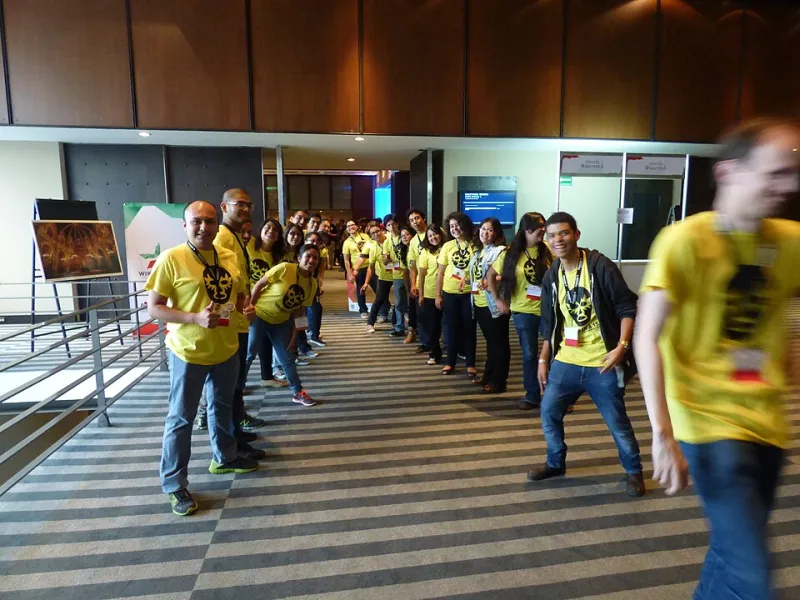
Photo: Luisalvaz, CC BY-SA 4.0, via Wikimedia Commons
Walk into a community event in Ruthin and you can usually tell within a minute whether you are expected or merely tolerated. That sounds harsh, but it is useful. The first five minutes do a lot of quiet work: they tell a newcomer whether the door is actually open, whether the room is friendly, and whether coming back next week would feel like a good idea.
Open Doors Ruthin is built around the idea that local help should feel welcoming, not bureaucratic. That applies as much to a coffee morning in a church hall as it does to a drop-in at the leisure centre. You do not need a big budget or a professional events team. You need a few repeatable habits that anyone can pick up.
Start before the door opens
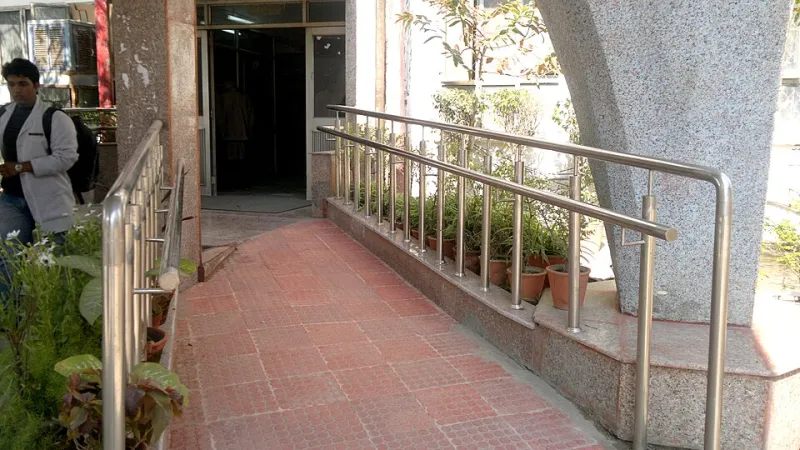
The welcome begins on the pavement. If people cannot find you, they will not feel welcomed. Put a clear sign at the entrance, not just in the room. Say what the event is, what time it starts, and whether people can just turn up. If there are steps, narrow doors or a confusing corridor, mention the accessible route. In a town like Ruthin, where lots of events happen in halls, chapels and shared buildings, a handwritten arrow can save someone a lonely lap of the block.
Ask one person to check the entrance ten minutes before you open. Is the door propped? Is the sign visible? Is the lighting okay? If it is dark or wet, is there somewhere to put a coat or umbrella? These are small things, but they are the difference between a warm welcome and a test of perseverance.
Make greeting a proper job
The biggest mistake is asking the person on the tea urn to greet everyone as well. They are already busy, and newcomers can sense a distracted hello. Give someone the greeter role for a set shift, even if it is only half an hour. Their job is simple: notice people at the door, say hello, and offer one useful piece of information.
A good greeting is not a performance. Something like ‘Morning, are you here for the drop-in? First time? I can show you where to put your coat’ does more than a broad ‘Can I help?’ A name badge helps too, especially if the greeter is not a natural extrovert. It gives the newcomer permission to ask a follow-up question.
It also helps to have a quiet corner. Not everyone wants to walk into a busy room and immediately explain why they are there. A chair near the entrance, a stack of leaflets and a person who is happy to chat quietly can make the difference for someone who is anxious, neurodivergent or simply new to the area.
Give people something to do with their hands
Standing awkwardly with a cup of tea is a universal British rite of passage. You can make it easier. A simple drinks station, a bowl of biscuits, or a small task like putting out chairs gives people a reason to move and a natural chance to talk. If you have a sign-in sheet, keep it optional and explain why you are asking. ‘No pressure, it just helps us know how many biscuits to buy’ is friendlier than a clipboard and a silence.
Low-pressure conversation prompts work better than interrogation. Try ‘What brought you along today?’ or ‘Have you been to one of these before?’ Avoid opening with questions that require personal disclosure. Someone might be at a support event precisely because they do not want to tell their life story at the door.
Make the next step obvious
A welcome that ends with a vague ‘come again’ is a missed opportunity. Before people leave, make sure they know what happens next. That could be a printed flyer, a date for the next session, or a simple introduction to one other person. If you collect contact details, say clearly what you will do with them and ask before adding anyone to a mailing list. A follow-up message within a week is often the thing that turns a first visit into a second one.
It also helps to tell people how to get involved if they want to. Not everyone wants to volunteer on day one, but some people are waiting to be asked. Have a short list of small jobs: putting away chairs, making tea, sharing a poster, welcoming at the next event. Specific asks are easier to say yes to than ‘we always need help’.
Keep the habits small and repeatable
The best welcome plan is the one your group will actually use. Write it down as a five-minute checklist and keep it with the tea things. Who is greeting? Is the sign out? Is the accessible entrance clear? Are there leaflets? Is there a quiet seat? Has someone been asked to look out for anyone standing alone?
Then review it after the event. Ask one newcomer what would have made the first five minutes easier. You do not need to rebuild the whole event. Small, repeated habits are how a room starts to feel like a place where people belong. In Ruthin, that is the kind of open door worth keeping.