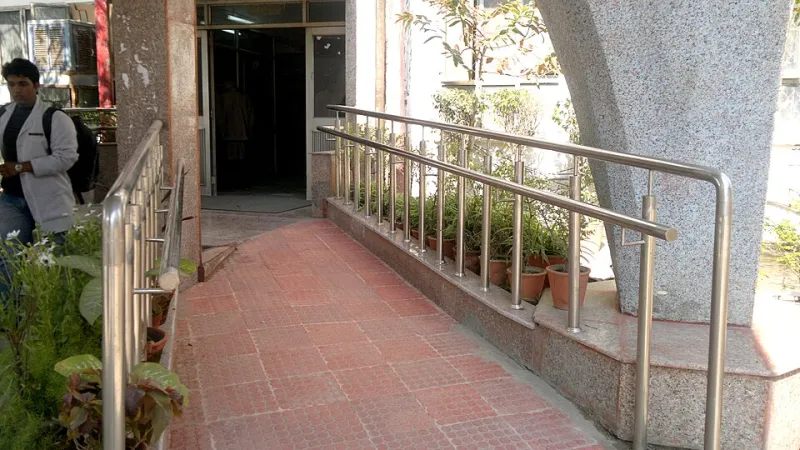
Beyond the Main Entrance: Twelve Ruthin Help Points Worth Knowing
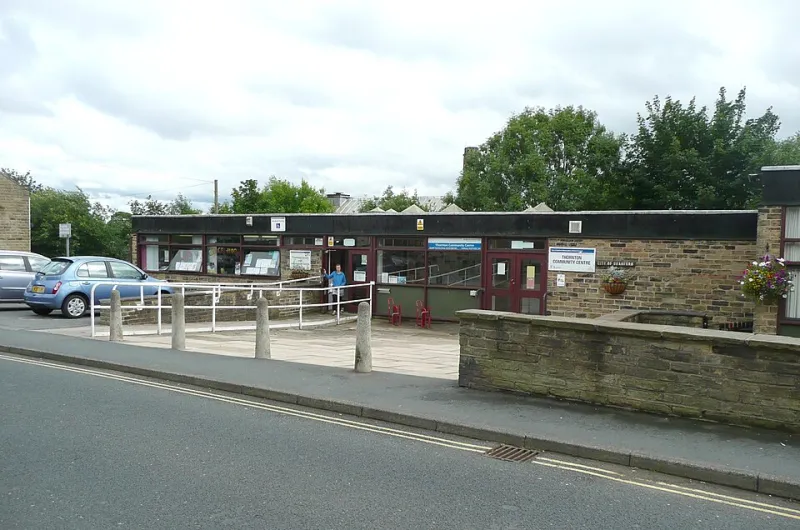
Photo: Humphrey Bolton , CC BY-SA 2.0, via Wikimedia Commons
Help in Ruthin is not always behind a big glass door with a queue and a ticket machine. Sometimes it is a fold-out table, a library counter, a fridge in a porch or a noticeboard by a café till. That is good news for anyone who finds formal services a bit daunting, but only if people know the small doors exist.
This is a friendly list, not a directory of opening times. Hours change, and some sessions run weekly while others are monthly. Check before you set out. The point is to demystify the doorstep: who to ask for, what to bring, and why you probably do not need an appointment.
A general first-visit rule for most of these places: say you are new, ask for the volunteer or member of staff on duty, and bring whatever paperwork you already have. You do not need to dress up or have a neat story. 'I'm not sure if this is the right place' is a perfectly good opening line.
1. The library counter
Ruthin Library is more than shelves. Ask at the desk about printing, online forms, local groups and Council pages. You usually do not need an appointment for a quick question. Bring your library card if you have one, but ask anyway if you do not.
2. The repair café table
Repair cafés are pop-up help points for broken toasters, lamps, small furniture and frayed nerves. Bring the item and any missing screw or cable you have. Ask the greeter which volunteer to speak to. No appointment is usually needed, though some items may need booking ahead.
3. The community fridge or food table
Some Ruthin churches and community groups run food-sharing tables or fridges. Ask what is available today and whether you need a referral. Bring a bag. You do not have to explain your circumstances at the door, and you can usually just take what you need.
4. The church welcome table
Many church buildings run drop-ins with tea, toast and company. You do not have to stay for a service or sign anything. Ask for the welcomer, sit where you like, and leave when you like. If you are unsure, ring the number on the noticeboard first.
5. The town council office
For potholes, bins, benches, footpaths and local confusion, the town or community council office is a small door worth trying. Ask the clerk or front desk. Bring a photo or address if you have one. You are not making a formal complaint just by asking a question.
6. The Citizens Advice drop-in
Citizens Advice can help with benefits, debt, housing and letters that make no sense. Check whether your local session is drop-in or phone-first. Bring any letters, reference numbers and a note of what you have already tried. Ask for the adviser on duty.
7. The food bank referral point
Food banks often work through referral partners rather than open doors. Ask a library, school, church or advice service if they can refer you. Bring ID if you have it, but do not let missing paperwork stop you asking. The first conversation is usually about what you need, not what you have failed to bring.
8. The warm hub or community café
Warm hubs and community cafés are places to sit, get warm and have a brew without spending a fortune. Ask the host whether you need to buy anything — often you do not. You can usually just come in, sit down and stay for as long as you need.
9. The volunteer tech helper
Libraries and community groups sometimes run digital help sessions for phones, laptops and online forms. Ask for the digital volunteer. Bring the device and any passwords you actually know. Write down what you want to do before you go, even if it is just 'stop the notifications'.
10. The men's shed or craft group
Practical groups are often good at practical help, and they are usually glad of another pair of hands. Ask the organiser if you can visit before joining. You do not need tools or experience. Bring yourself and a willingness to make tea.
11. The school or family liaison door
If you are a parent or carer, school offices can point you towards family support, food help, uniform schemes and holiday activities. Ask for the family liaison officer or the person who deals with pastoral support. You do not need a formal meeting to ask a question.
12. The charity shop noticeboard
Charity shops are not advice centres, but their noticeboards are often a map of what is happening locally. Look for warm hub times, repair sessions, coffee mornings and volunteer appeals. Ask the person at the till if you cannot read the small print.
What to expect when you knock
Most small help points are run by ordinary people doing a shift. They will not expect you to arrive with a case file. They may ask your name and what you need, and they may point you somewhere else if they cannot help. That is not a rejection; it is a signpost.
If you are nervous, take a friend or ring ahead. If you cannot face a conversation, look for a leaflet table or a noticeboard first. And if you run one of these small doors in Ruthin, keep your details up to date and make the first sentence on your poster say what you actually offer. In 2026, a clear welcome is still one of the best forms of local help.